
At Healwell Surgitech, many families ask us which wheelchair is best for daily home use. Choosing the right wheelchair for home use can make daily life safer, easier, and more comfortable for both patients and caregivers. With so many options available, many families feel confused about which wheelchair is best for their needs.
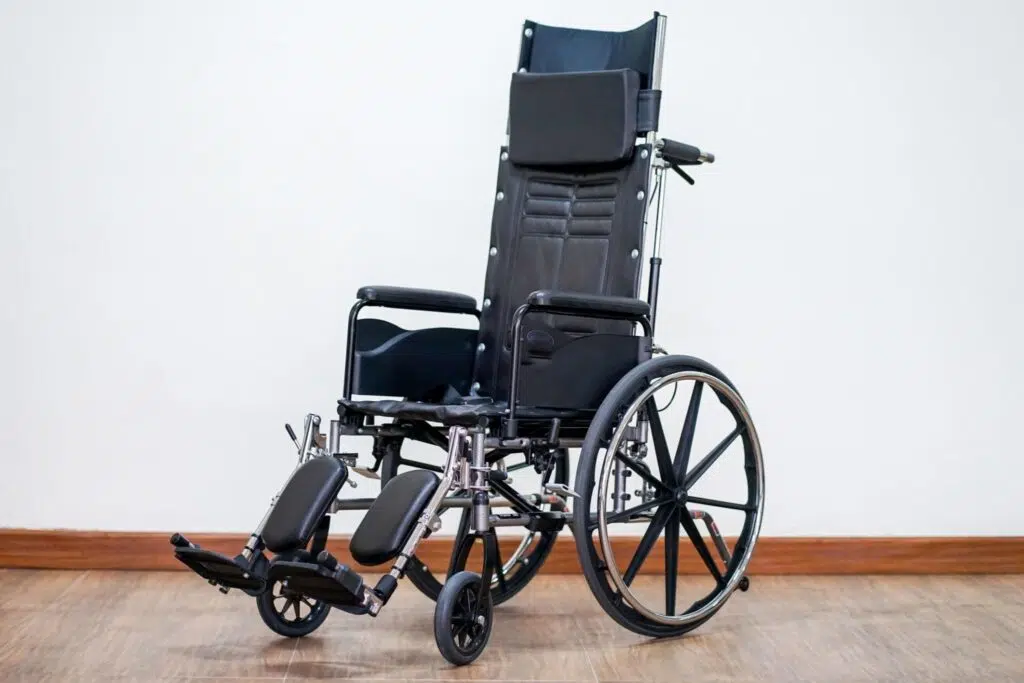
Many buyers later realize that large wheelchairs can become difficult to move inside smaller rooms and narrow doorways
A wheelchair is not just a mobility product — it directly affects comfort, independence, posture, and daily movement. Whether you are purchasing a wheelchair for an elderly family member, a recovering patient, or someone with long-term mobility challenges, understanding the important features can help you make the right decision.
In this guide, we will explain everything you need to know before buying a wheelchair for home use.
Why Choosing the Right Wheelchair Matters
Many people purchase wheelchairs without understanding the user’s actual daily requirements. However, selecting the wrong wheelchair can lead to discomfort, poor posture, difficulty in movement, and caregiver strain.
The right wheelchair can help:
- Improve mobility inside the home
- Reduce physical stress on caregivers
- Increase patient comfort
- Support recovery and rehabilitation
- Make daily activities easier
- Improve safety and independence
This is why it is important to evaluate the user’s lifestyle, body type, mobility condition, and home environment before making a purchase.
Types of Wheelchairs for Home Use
There are different types of wheelchairs available in the market. Each type is designed for specific needs.
1. Manual Wheelchairs
Manual wheelchairs are one of the most commonly used wheelchairs for home care.
These wheelchairs are suitable for:
- Elderly individuals
- Patients recovering from surgery
- Short-distance indoor movement
- Temporary mobility support
Advantages:
- Affordable
- Lightweight options available
- Easy to maintain
- Foldable models available
Manual wheelchairs are ideal for homes where caregivers are available to assist the user.
2. Foldable Wheelchairs
Foldable wheelchairs are very practical for home use because they can be easily stored when not in use.
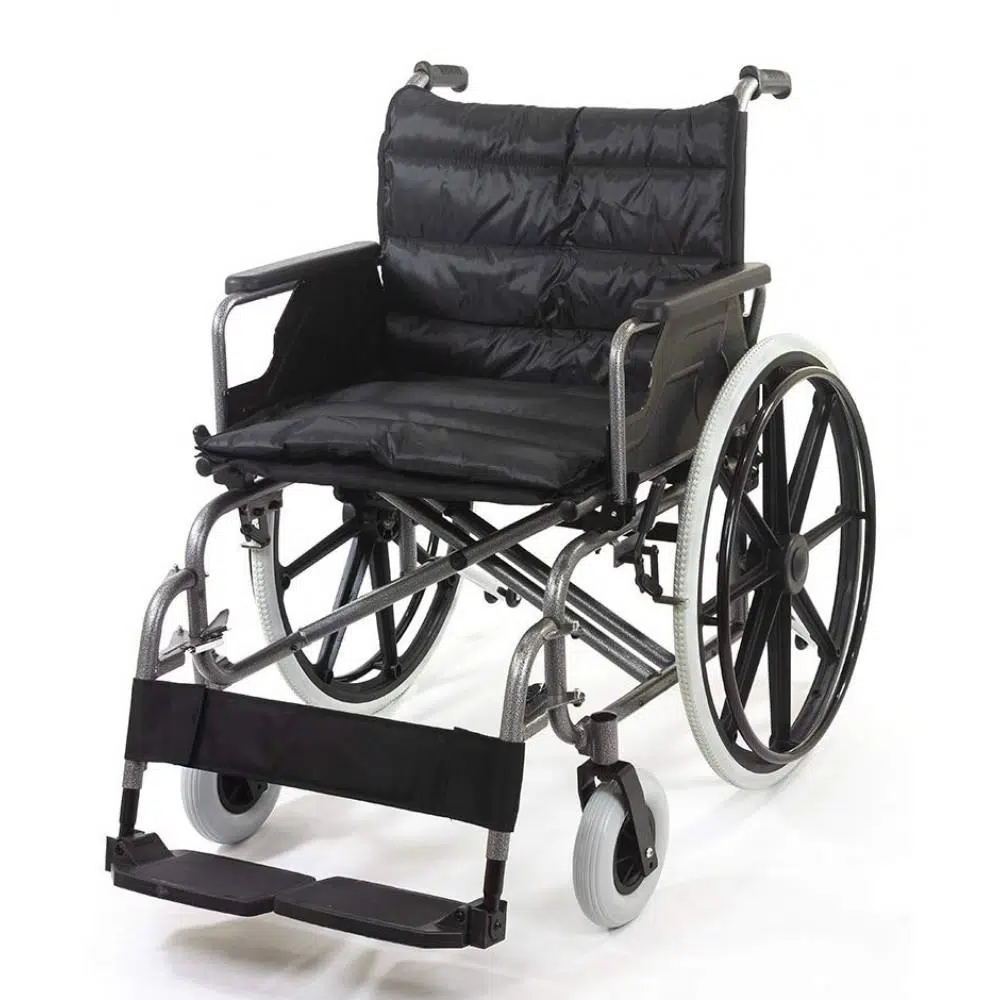
These wheelchairs are suitable for:
- Small apartments
- Travel purposes
- Users who need occasional mobility assistance
Benefits include:
- Easy storage
- Better portability
- Convenient transportation
- Space-saving design
Many families prefer foldable wheelchairs because they are easier to move between rooms and transport in vehicles.
3. Reclining Wheelchairs
Reclining wheelchairs provide additional comfort for patients who spend long hours sitting.

These are suitable for:
- Patients with limited mobility
- Long-term care patients
- Individuals requiring extra posture support
Features often include:
- Adjustable backrest
- Head support
- Better comfort during extended use
Although slightly larger in size, reclining wheelchairs can significantly improve patient comfort.
Important Things to Check Before Buying a Wheelchair
Before purchasing a wheelchair, it is important to compare different features carefully.
1. Comfort and Cushioning
Comfort should always be a priority.
Check for:
- Comfortable seat cushioning
- Proper back support
- Armrests and footrests
- Seat width suitable for the user
A poorly fitted wheelchair can cause discomfort and posture issues over time.
2. Weight Capacity
Always check the maximum weight capacity of the wheelchair.
Using a wheelchair beyond its recommended weight limit may reduce safety and durability.
Choose a sturdy model that comfortably supports the user.
3. Wheelchair Size and Home Space
Measure doorways and narrow spaces in the home before purchasing.
Some wheelchairs may be too wide for smaller rooms or narrow hallways.
Foldable and compact wheelchairs are usually better for smaller homes.
4. Foldability and Portability
If you frequently travel with the patient or need easy storage, a foldable wheelchair is highly recommended.
Look for:
- Lightweight frame
- Easy folding mechanism
- Portable design
This makes transportation much easier.
5. Wheel Quality
Wheel size affects movement and comfort.
Larger rear wheels are generally better for smoother movement, while smaller wheels may be suitable for indoor usage.
Good wheel quality improves:
- Stability
- Safety
- Ease of movement
6. Ease of Maintenance
Choose a wheelchair that is easy to clean and maintain.
Check for:
- Durable frame material
- Replaceable parts
- Easy-to-clean seat fabric
Regular maintenance helps improve product life and safety.
| Type | Best For | Main Benefit |
| Manual | Daily home use | Affordable |
| Foldable | Small homes | Easy storage |
| Reclining | Long sitting hours | Better comfort |
Watch this helpful video to better understand wheelchair features, comfort, and home-use considerations before purchasing.
Who May Need a Wheelchair at Home?
Wheelchairs are useful for many situations.

People who may benefit include:
- Elderly individuals with reduced mobility
- Patients recovering after surgery
- Individuals with leg injuries
- Patients with neurological conditions
- People requiring rehabilitation support
A wheelchair can help improve mobility and daily comfort during recovery and long-term care.
Additional Reads: Walking Sticks for the elderly
Tips for Caregivers
Caregivers also play an important role when selecting and using a wheelchair.

Helpful caregiver tips include:
- Ensure brakes are locked before transfers
- Keep pathways clear inside the home
- Regularly inspect wheels and brakes
- Use cushions for additional comfort
- Help maintain proper sitting posture
Caregiver convenience should also be considered while selecting a wheelchair. You can also review mobility and rehabilitation guidance from the World Health Organization.
Common Mistakes to Avoid
Many buyers make simple mistakes while purchasing wheelchairs.
Avoid:
- Buying without checking seat size
- Ignoring portability requirements
- Choosing based only on price
- Not checking weight capacity
- Purchasing oversized wheelchairs for small homes
Understanding the user’s actual needs can help avoid unnecessary expenses and discomfort.
Final Thoughts
Choosing the right wheelchair for home use is an important decision for both patients and caregivers. A suitable wheelchair can improve comfort, mobility, safety, and quality of life.
Before buying, always compare features such as comfort, portability, foldability, wheel quality, and home compatibility.
At Healwell Surgitech, we offer healthcare and mobility products designed to support home care and patient comfort.
If you are looking for wheelchairs, walkers, rehabilitation products, or other healthcare equipment, feel free to contact us for guidance.
Frequently Asked Questions:-
Which wheelchair is best for home use?
Foldable manual wheelchairs are commonly preferred for home use because they are lightweight, space-saving, and easy to move.
Is a foldable wheelchair better for small homes?
Yes, foldable wheelchairs are ideal for smaller homes because they can be stored easily when not in use.
How do I choose the right wheelchair size?
Check the seat width, user comfort, and doorway space in the home before purchasing.
Can elderly people use manual wheelchairs?
Yes, manual wheelchairs are commonly used by elderly individuals for indoor mobility and daily movement assistance.
What should I check before buying a wheelchair?
Important factors include comfort, portability, foldability, wheel quality, weight capacity, and ease of use.
Looking for wheelchairs, walkers, rehabilitation products, or home healthcare equipment?
📍 Healwell Surgitech, Ghaziabad
📞 Contact us +91-9654235101 for product guidance and enquiries.
Disclaimer: The content in the blog posts is for informational purposes only. The purpose of content, visuals and images and other accoutrements of the website are to promote broad consumer understanding and knowledge of health-related motifs. It isn’t intended to be a cover for any of the treatment, judgment, or medical advice. Always seek the advise of good healthcare provider with any questions, no way to disregard professional medical advice just on the base of information shared on the website.
We supply high-quality reliable surgical gloves for hospitals, clinics, and distributors across India. Get the best pricing and quick support directly from our team.
